Friday, June 28, 2019

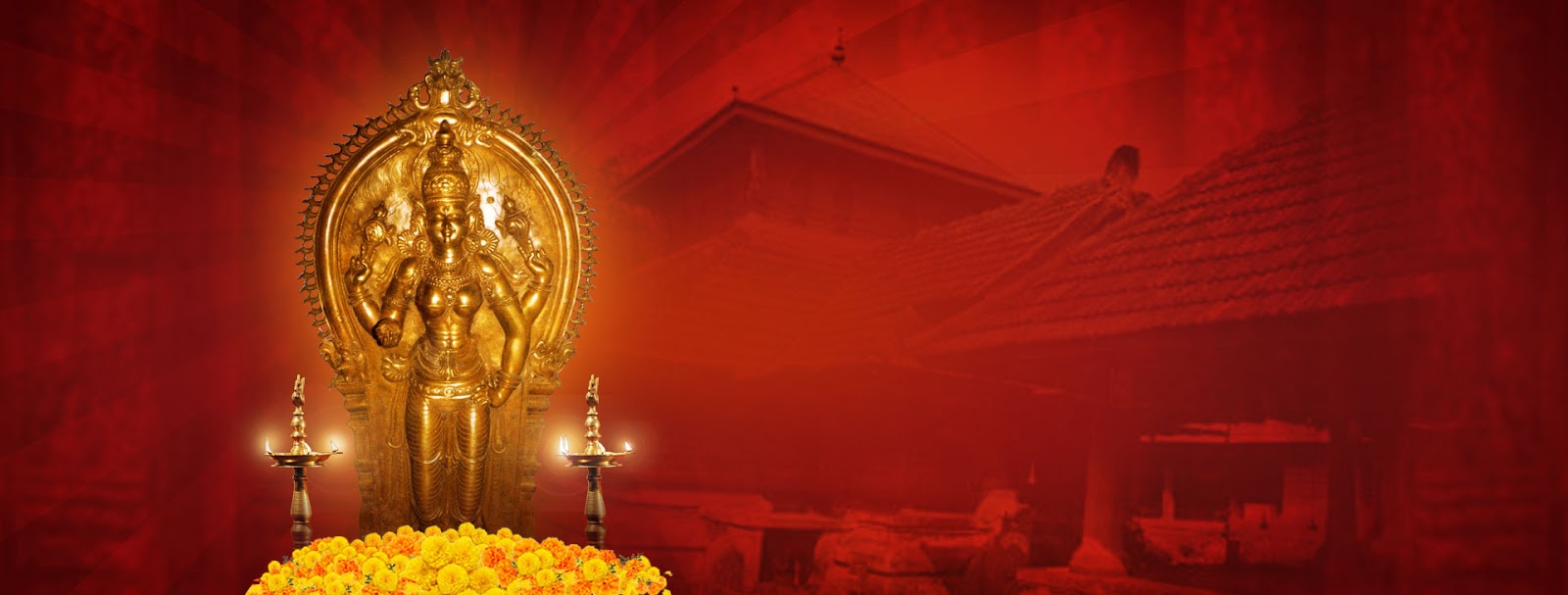
Kallil Bhagawathi temple , Methala, Perumbavur


Kallil  Bhagawathi temple  , Methala, Perumbavur

Compiled  By
P.R.Ramachander


One  of the oldest temples in Kerala    is the  Kallil Bhagawathi temple near  Methala  village   which is near Perumbavur  .It is believed that  it is 5000  years old. The  temple is in the middle of  28 acres  of forest (once belonging to Kallil Pisharam) on a top of the  rock  .We have to climb 120 steps to reach there .You would see  only stones   every where  in the temple.It seems  once upon a time  a very  Goddess  was playing   with stone balss(throwing   up and catching them) ,When people   neared  heer, along with the stones   she was playing , it seems , she ran inside   a cave and   vanished..The ball that   she threw to the top  , according to belief became   the roof  of the temple(It stands   there   without any support) and the ball   which came down became the   floor of the temple. People believe that even if 15 elephants pull to gather   the roof does not move at all.According to people  the huge rock standing without any support  is a real wonder  of the world.
    There   are  two mjor offering   to the goddess
1.       A broom stick(chool nercha)   for hair to grow to ladies.The broom it seems should be made   with Broom sticks whch  have not been touched  by steel( ie you shouls  not tear of palm leaves by a steel knife)
2.       The other offering  is stones(kal nercha)    from half built houses  we are building. This is for quick completion of the buildings.People believe that the  home   will be completed   within a year
Once  we achieve  the results of the prayer  , we are  supposed to return to the temple   and thank the Goddess.
Since the temple is in a cave   and the goddess is consecrated   at the end of the cave  we cannot  do Pradakshina for her. So  the goddess   as well as the stone is saluted  .She is also called  “Kallil   arulunna devi( Goddess  who is pleased with stone)  .There are small temples for Ganesa  , Vishnu, Shiva Yakshi    and Kari Naga Yakshi around the temple.>in the temple there is Bali Kallu   and Namaskara  mandapam also ,In the roof hanging stone you can see  the form of Brahma   also
   There is a belief that  this was  a jain temple   and  the Goddess  is a Jain Goddess  called  Padmavathi.People also believe that  the jain statues   of Paraswanatha   and Maha veera   slowly became  Lord Vishnu    and Lord Shiva.
   The festival of the temple is on  Ksarthika star of  Vruschiga month.The festival is for   8 days.It is interesting to know the Devi travels on a  female  elephant
Previously  the temple used to be closed after  noon pooja but nowadays , there  is  a deeparadhana   and pooja in the evening also.
  There is a place called Odakkali  between Peruimpavur   and Kothamangalam.  This temple is 4 km from Odakkali( ten km from Perumbavor)

The idol being worshipped as Goddess Durga used to be that of Sree Padmavati during the Jain period and the idol of Vardhamana Mahavira is being worshipped now as Lord Siva. Idols of Lord Vishnu, Ganapati and Ayyappa were installed in the same cave later on. The fascinating feature about the temple is the mystery on how the boulder of size 50ft x 25 t x 15 ft stays atop the temple without any damage for so long. Idol of Lord Brhama can be seen carved at the huge rock . The three trinity i.e Brhama, Shiva and Vishnu are also worshiped here.

Palliunarthal at 5.30 AM, After that opening the Sanctorum(Sree Kovil), Nirmalya Darsanam, Abhishekam,Malar Nivedyam, Ethruthu Pooja at 7 AM., Ucha Pooja at 10.15 AM. Opening Sanctorum evening at 5 PM‍., Deeparadhana at 6.30 PM, Athazha Pooja at 7.15 PM and after that the temple closes.

The  address of the temple is
Shri Kallil Bhagavathi Temple
Kallil Pishaarathu Devaswam
Methala P.O. Methala
Ernakulam Kerala , India
Pin: 683545
Phone  is +91  99477983023

Kallil Bhagavathi Temple is a cave temple which is just 10 km away from Perumbavoor. Angamaly Railway Station is just 5 km way and Ernakulam Junction, the major rail-head, is located about 45 km from here and Aluva Station is about 25 km from here. Cochin International Airport is located about 25 km form here. Cochin Airport is one of the major Airports in India and Kerala State and is attended by many airlines at regular interval.

Tuesday, June 18, 2019

Thaanikkudathamma temple


Thaanikkudathamma  temple

Compiled by
P.R.Ramachander


      There  is a temple  of Bhagawathy near  Trichur, where  every year , the  waters of the nearby  rivers enters the temple  to give  Ceremonial  Dip( Aarattu)  to the Goddess.The devotees   also enter the temple  and  take a dip  in water  along this Bhagawathy. This goddess is called  Thaanikudam Bhagawathy  . There  is an interesting story about this temple 
   It seems in Chunakathoor there  was temple with  two Goddesses (iratta prathishta)   one  was parvathi   and ab nother  a Vana Durga  referred to as Devi,The temple was  under management of Nairs  and Brahmins were doing the pooja  ,.Once there  was a clash  between Nairs  and Brahims. The Nairs took  away the idol of the dEvi  but the Brahmins refused to give  the Val(sword)  of the velichapadu to them. The Nairs   took away  the Goddess  and consecrated  her below a Thaani maram (Terminalia bellirica ) .This temple was from that time referred to as Thaani kudam Bhagawathy   .It is a practice that The velichapadu( Oracles) of the temple  even today  ddo not touch the sword,The temple is surrounded  on all the three sides  by river, one of which is Thaanikudam river  .

14 km travel from thrissur. Easily accessible by road transport. Private buses are there to thanikkudam temple stop from "vadakke bus stand" thrissur in every 5 minutes. Kerala police academy is the nearest known place. Private bus fare almost 7 rupees.
Adress : Thanikudam Baghavathy Temple
              Thanikudam, Mannuthy
Phone : +7(111)123456789
E-mail : thanikkudamtemple@gmail.com

Friday, May 31, 2019

Kaikkakom Chamundi temple , Trivandrum


Kaikkakom  Chamundi  temple  , Trivandrum

Compiled by
P.R.Ramachander


(many of you go to Trivandrum.Please do not miss this great temple  .Acknowledgent to Wikipedia about the temple and a tamil post in face book by Sri vasu Iyengar)

   This is a temple dedicated   to the fierce   form Of Goddess  Bhagawathi called  Chamundi  in Trivandrum and is about 7 km away  Padmanabhaswamy temple in the north western direction   The place is called Karikkakom and the goddess “ Karikakathu  Amma” .This temple it seems was built  by a later  chera king called   “anusham, THirunal  Rama Varma Raja” 

Story of the temple
One Vedic pundit had a disciple called  Yogeeswara   who like his Guru was worshipping the Goddess  CHamundi. One day the goddess  appeared  before him as a little girl  .Yogeeswara and his Guru brought the girl to this place , built a leaf thatched shed  and made her stay there, Then the girl appeared before them as Goddess  and told   them she will be forever   staying there . Yogeeswara got a statue made   and consecrated it there  ,
The temple
  In this temple the Goddess  appears in three  forms   viz  Raktha Chamundi devi  ,Bala CHamundi devi   and Maha Chamundi and  in the temples of Raktha Chamundi and Bala Chamundi there  are  no statues  consecrated but  there are pictures v  of Goddes s drawn on the wall  .

Maha Chamundi temple

    It seems in the temple of Maha Chamundi devi  , there was a statue made of silver and consecrated  on a deer horn  stage .Later  the devotees  got a pancha loha Idol made and  got it consecrated here  .,
 (21st march 1997)
  There are temples for Sastha  , Ganapathi  , Yakshiyamma  , BHuvaneswari  Ayiravalli and Yogeswara in the same compound besides a Nagar Kavu .There is also an old house called Guru Mandiram, the house of Yogeswara’s Guru al rituals
Worship in the temple
  In the morning after  nirmalya darsanam   there  is a panchamritha   Abhisherkam to the goddess  and  after wards   she would  be  offered Kadum Payasam (Very concentrated  Jaggery  Payasam) .The  offerings  Of pal payasam  and Panchamritham are also made.There  are also the following special rituals

Bali Sadhya
This ritual takes place in the month of Karkatakam on the Karthika day. On this day inside the temple special poojas are performed for the Guru and Mantramoorthi. Brahmins are given food and dress. After this ceremony devotees are given Bali Sadhya. This is a very old custom of the temple, which is followed even today.

Nirayum Puthiriyum

The paddy taken from the land belonging to the temple is first offered to the Devi.

Uthrada Taneerkuda

This is another important festival conducted during the month of Chingam on Uthradam day. This is a very ancient and important pooja.
Kodi Charthu

This is a ritual conducted in the month of Chingam on Thiruvonam day after the Nirmalya Darshanam. The devotees offer the Devi yellow dress during the festival.

Ayilyam Ootu

The temple performs poojs for the Nagas on the ayilyam day in the month of Makaram. This is known as Vallya Ayilyam. From ancient times this pooja is performed for propitiating the Nagas and removing Naga Dosha.

Raktha Chamundi and  Bala  Chamundi

  IN the Raktha Chamundi temple  (where Goddess is in the form of a drawing) People accused of anything   , if they deny it ,are asked to  take an oath before the goddess .People are scared and tell the truth

  It seems  once upon a time the queen lost her costly ear rings ,They suspected a security guard   and imprisoned him .The lover of the guard came and told the king that she has stolen it.Hearing that  the guard told that it was not true and he was  the thief.Both of them were taken to the temple of the Raktha Chamundi  ,Both of them took bath in the temple pond   and brought to the temple ,Then the washer woman of queen cloths rushed there with the ear rings and told every one, that she found them in the queen’s cloths .The gurad and his lover were set free .The Queen presented the   ear rings to the goddess

Bala Chamundi temple
   Here the  Chamundi is drawn in a vey peaceful form

Festivals
1.poNGALA IN Meenam month for seven days
2.Mandala Vratham - Festival in connection with the annual Utsavam of Sabarimala
3.Vinayaka Chathurthi - Pooja to the Lord Ganapathy
4.Pooja Vaypu - Identical to Dussera festival (Saraswathy Pooja and Vidyarambham)
5.Sivarathri - Siva Pooja
6.Karthika - Karthika Deepam
7.Ayilya Pooja - Milk, flowers etc. offered to serpent God and special rites
8.Aiswarya Pooja - On all full moon (Pournami) days
9.Shasta Pratishta Dinam - Every year in the month of Makaram on the Rohini day Shasta Pratishta Dinam is celebrated in the temple.
10.Vishu Kani - On the first day of the month of Medam people come here for the Vishukani Darshanam.

 The temple would be open from 5 Am to 12 noon   and 4.30 Pm to 8.30 PM

The contact particulars of the temple
Karikkakom Sree Chamundi Temple,
Karikkakom, Beach PO,
Thiruvananthapuram,Kerala,Postal Code - 695007 India
Phone
  0471 2500989 (Temple) 2507671 (Office)
E mail

Transportation
Karikkakom is just 7 km from Thiruvananthapuram city. The nearest airport is TRivandrim   air port.The nearest railway station is Trivandrum Central Railway Station and the nearest bus station is Thiruvananthapuram Central Bus Station.
Those who travel via Kollam on reaching Kazhakoottam  junction should take the straight road via World Market junction and from there take the right turn via Vazhavila to the temple. Those who take the M.C. Road should come through Kesavadaspuram via Palayam, Peta, Chakka bypass. Those coming from Neyyattinkara, via East Fort, Enchakkal junction can reach the temple using the bypass road. The temple can also be reached via Chakka Attuvarambu road.

Thursday, May 9, 2019

PUTHEN SABARIMALA

PUTHEN SABARIMALA

By
Ram Mohan  Bala

Image may contain: outdoor and nature
Puthen Sabarimala literally means new Sabarimala. The temple Puthen Sabarimala is situated in Thadiyoor under Ayroor Panchayath in Pathanamthitta Dist. Thadiyoor is around 9kms away from the temple town of Thiruvalla and 5kms away from Ranni.
When one hears the name of the temple one will initially come under the impression that it is the newer carbon copy of Sabarimala temple, but it is far from that. Since it was last renovated in 1999, it was called Puthen Sabarimala, and there ends the newness of the word associated with the temple.
Puthen Sabarimala shrine is a carbon copy of Sabarimala temple in nearly all respects. Its rituals, rules and regulations, particularly the opening and closing dates are similar to Sabarimala Temple. The temple has a granite pathinettampadi finished in 'Krishna Shila' which can be ascended only with 41 days vritham and irumudi. Although it bears a striking similarity to Sabarimala temple in most aspects, it is strikingly different from Sabarimala in one aspect. Ladies of all ages are allowed entry especially through the northern gates if they cannot observe the mandatory 41 days vritham and ascend the pathinettampadi. All those devotees who have observed vritham for a lower number of days than the mandatory 41, are allowed Ayyappa darshan via the northern gates. During Makaravilakku, the symbolic makara jyoti is lit here also. Neiabhishekam is the most important offering and Aravana and Appam are the most important prasadams.
The temple is shrouded in antiquity. It is aleast 900 odd years old dating back to the time of Manikanda Muthayyan who lived sometime in the 12th century AD. Manikanda Muthayyan is none other than Sree Manikandan, and, a dustinction is to be made between Sree Manikandan and Sree Ariyan Keralan, whom we refer to as Ayyappan. To the discerning leader it is reminded that Manikandan is considered as the first avatharam of Shasta and Ariyan Keralan who lived during the 17th century is considered as the last avatharam of Dharmashasta.
The legend behind the temple is even more interesting.
At one point of time, the area where the present temple stands was part of dense forests, where hermitages of rishis existed. The story of Manikandan going in search of tigress' milk is legendary. During the course of His trek into the forests, Manikandan happened to reach the place where the present temple stands. Since it was was already dusk, and the Lord was tired He opted to stay in one of the hermitages.Soon after the Lord got darshan of Lord Shiva, who advised Him as to what was to be done.Later due to the grace and blessings of Lord Shiva Manikandan was able to successfully execute the almost impossible task undertaken by Him.The Rishis of the place realising the greatness of Manikanda Perumal built a temple at the spot where Lord Shiva gave darshanam to Manikandan, and this is the temple which we call Puthen Sabarimala.Initially padukas of Manikandan were consecrated inside the sanctum for worship.Years later this temple was gutted in a devastating fire, and another one was built in its place.Later with not many going for
worship this temple too fell into disuse and was later reduced to ruins.However this temple gained prominence in the 1940's with worshippers slowly making their way into the dilapidated temple.Finally the temple which came under the Travancore Devaswom Board was renovated with full participation of the bhaktas and cooperation from the Board, and in 1999 punapratishta to this age old shrine was done.The tantris of the temple are from Thazhamon Madom.

Sunday, July 29, 2018

Mrudanga Saileswari temple at Muzhakunnu


Mrudanga  Saileswari temple at  Muzhakunnu  ,Thillangeri   Kerala- The goddess   who made  her thieves  helpless

(She is  the only Goddess originating   from Drum in India  )

Compiled  by
P.R.Ramachander


      Lord Parasurama   is supposed to have consecrated  108  BHagawathy temples  in Kerala  .Mrudanga Saileswari    also called  as Muzhakunnu BHagawai and and also as  POrkali Bhagawathi is one of them. The temple is  equidistant from   THalasery and  kannur towns of Kerala(both places have railway tations) , though appeoach from Kannur is easier 

     Mrudangam the   accompanying drum of the  carnatic music is supposed   to be the musical   instrument of devas. It seems once it fell down from  deva loka  in  this spot called  Mrudanga Saila  (The hill of Mrudanga) Legend has it that when the mridangam descended on earth from heaven, it was caught by Goddess Bhagavathi Saileshwari – the Aroopi, or the One without form, while she was in meditation, thus creating a pit in the sand, which remains to this day. The dropping of the mridangam onto the Goddess’s hand created echoes in the mountain. Hence, it came to be known as Mizha  kkunnu, which means a mountain  of drums . When one views the mountain from a distance, it appearslike a mridangam..Later  the local king made a  pancha  loha idol and consecrated  it there  .Devotees say  that the  Pancha loha idol   shines like gold

      Since Mrudanga  is called  Mizhavu  in Malayalam, the place   was called as  “Mizhavu kunnu”  (hill of Mizhavu)   initially which got corrupted   later  to become  Muzhakunnu..

      This Goddess  became the clan goddess  of Purali Rajas   who had their kingdom there  .It seems   before they went for a war   they worshipped in this temple  and at that time  , A person representing goddess   would  do a war dance  .War dance  translated  in to malayalam  becomes  “Por Kali”   and the goddess   was also called   as “Porkali  Bhagwathi”

    It is believed   the  Kerala  dance form of Kathakali originated here  and when KOdungallore  thampuran was  finalising it here , he was baffled as to how   the  female characters   should be dressed up.It seems the BHagwathi rose up from the temple tank and showed   him the present dress  of the female characters.

This a well maintained temple and people for all parts of kerala and elsewhere visit this temple for the blessings of DEVI. There is a well constructed pond with water all the time. Food( Prasad) is given to all the devotees who visit this temple , right through the day. There is a ground adjacent to the temple allocated for car parking conveniently. You can feel the devinely vibration while visiting this temple. Men are permitted inside the temple,without shirt only. Mundu( Dhoti) is not compulsory. You can go with the pant also.

     The mrudange Chakravarthy Karaikudi Mani Bhagwathar   has visited   this temple and has written about it.He has written “When I stepped into the temple I felt like Columbus — discovering a temple dedicated to mridangam! I offered my prayers by playing the mridangam in the sannidhi and felt truly blessed. More and more mridangam artists should make a trip to this temple and experience the divine vibrations.”

   Some thieves   tried to steal  the Pancha  loha  idol of the goddess  thrice but every time thety abandoned the goddess   and informed   the police the ; location where theu have left it says   Sri Alexander Jacob  retired DGP   who was working as ACP in Kannur ar  that time. Later  when one group of temple thieves   were caught they confessed that  they tried to steal  the idol of the goddess , they told that  immediately they lost all sense of direction and lost   their power to control their  calls of nature  and so they ran away from that place  baffled and scared
   The temple tree  is a strange  white   banyan tree    ,The darshan and Puja  timings are

DARSHAN TIMINGS

Morning hours: 05:00 Am to 01:00 Pm

Evening hours: 05:00 Pm to 08:00 Pm

PUJA TIMINGS

Usha Pooja @ 08:00 Am [Dawn Prayer]

Uchha Pooja @ 10:30 Am [Noon Prayer]

Atthazha Pooja @: 07:15 Pm [Evening Prayer]

Deeparadhana: Time aligned with Sunset

You can get in touch   with the temple

Muzhakkunnu Mridanga Saileswari Devi Temple
P.O. Muzhakkunnu, Peravoor (via)
Kannur (Dt), Kerala – 670673
OFFICE
 04902406408
Mob : 9400208034, 9400286777
STAY CONNECTED
 mridangasaileswari@gmail.com

Monday, June 4, 2018

Raja Thatha writes his story of the “kochu kutty” of Guruvayur


Raja  Thatha   writes his story  of the “kochu kutty” of Guruvayur

By
P.R.Ramachander


It was   a dull morning  in the island   of Dwaraka .
Sree Krishna    knew   that it is time for him to go,
And he knew  Vali whom he    had killed   as Rama ,
Was hiding   some where  to send an arrow  to kill him.

Among all   the treasures    that he   wanted to save,
Was a  black  idol  of a boy wearing  a loins cloth ,
Whom he    used    to play as well as  worship    as a little child ,
And he wanted  him safely  installed  to be worshipped.

He called   the  teacher   of devas    to come there ,
Entrusted   the little black   child  god to him,
And  told him, “Consecrate  him   in such a place ,
Where   all people , would love him  like their child.

He also told him, “Even if they consider  him as their little boy,
They should   consider   him as their father  who will protect them.”
Guru agreed but said “How do I travel    from this place ,
Which is an island  carrying   that  dark little darling?”

Krishna said, “ not to worry “ and summoned  his friend,
The wind God  and told him, ”Carry Guru  and his child,
To a place   where he wants to go , though   they are little heavy.”
And   wind god   took   Guru  and his child  and reached Gujarat.

Wind asked Guru  “Shall   we fix hum here , seem to be good people”
Guru said “These people even though   Good are   essentially  ,
People    who do business   and I do not want  my child to be here.”
They reached  the Mahratta   shore  , Guru felt  they were  warriors.

Wind God was tired   and said  , let us go inside   but Guru said “no”.
Let us go through   the beech only   because Krishna  loved  ,
His Dwaraka    with a great beech” and so they    flew further ,
And reached   the  land of  the devout people of Karnataka.

Guru told him . “seems to be okay    for me   , but there  is already,
A butter eating  Krishna here and I do not want  this baby   also here”
And so they entered   the God’s own land   recovered   from the sea ,
Seemingly populated  by people  , who loved their temples   greatly .

When they  flew for some  more time   they saw   an adult  ,
Grazing  cattle   near  a temple   and they  asked him   , who he is,
And what is this  temple and he replied  , “I am lord    Shiva  himself,
And this is Mummiyoor , which Guru explained  as land of  his Mummy

Lord Shiva promised   them that   he would  look after  the new baby,
If all pilgrims   who go to visit  the”Kochu” , should also see   him.
And the wind was  happy at the decision because  he can take rest,
And  Guru    consecrated   that  little one  , who is  the father  of all there.

The king   Janamejaya    heard    about   the arrival   of the child in Kerala  ,
And built  a temple for him    and that child   , became a  child,
In every home   all  over  Kerala  and when  they were  in trouble,
They  did not call    any other  God but call “Ende Guruvayurappa(Oh my  father living in Guruvayur”

  Adhi SAnkara   who was  born   to a couple  in Kalady   as a result  of prayer,
To Lord Shiva at  Trichur was passing  near the temple  without entering it,
Seeing a Bhootha Bali  being   conducted   there  , but he fell down on the way,
And realised it fault   and sang about   that baby  in his “Octet to the   cowherd.

As per the orders of God he systematized     the worship procedures there,
Did  mandala  Bhajanam for forty  one days  and established  the Mandala Vilakku,
For forty one days  and then came the Vilwamangalthu Samiyar  ,
Who had the good fortune  of  seeing the    God himself  playing in the temple.

Then there   was a childless  Widow called   “Mother  of Kurur”
Who was blessed  by the Lord of Guruvayur as   her servant boy,
Then came one of the greatest  devotees of  the child of Guruvayur,
Called Bhattathiri  , who wrote the story of the child   and got rid of his pain.

Along with Bhattathiri came   another   simple   Brahmin    who loved,
The child in side the  temple as his own   which was lost  on his first birthday,
And he wrote that “when the child of Guruvayur   is dancing  in our hearts,
Why   there   was a need     for  another child too love at home.”

There   was   no home  in Kerala   which did not love   their child in Guruvayur,
Even if his poor or rich  , Brahmin or Dalit   and  Hindu  or Non Hindu.
When any   of them  are in trouble  , even   before  calling their mother  ,
They would call “Ende  Guruvayurappa”   and the child   reached there  to help them.

These  great devotees  made  people    all over   the world realize,
That  the child  in side the temple  of Guruvayur   would take care off,
Problems  of each and every one  who came   there  with a packet of misery ,
And would return it to him as   a packet   of joy     as well as pleasure


Saturday, February 24, 2018

Temples of Kerala- an over view


Temples of Kerala- an over view

By
 Image result for Temples of Kerala collage

Present day Kerala, "God’s own country", is the ribbon-like green stretch of land placed between the Arabian Sea and the Western Ghats - a chain of high hills which begins from south of Thiruvananthapuram (also colloquially referred as Trivandrum) to the small town of Kasargode on the border with Karnataka state. Legend says that Parasurama, an incarnation of Maha Vishn, gifted all the land he conquered from Kshatriya kings, as per instruction of Lord Rama. When he found that he did not have any place to live, he came to a place called Gokarna near the Western Ghats mountains and threw his marble axe into the sea. The land reclaimed by him from the sea is the present day Kerala, although Gokarna and a large stretch of land, said to have been reclaimed by Parasurama, are now in the state of Karnataka. The transliteration of the name 'Keralam' is “Garden of coconuts”, but some people believe that the name came from Cherala (the garden of Cheras-the first kings of Kerala).Keralas or Udra Keralas were also mentioned in the Mahabharata Epic as a kingdom which took part in the Kurukshetra War on the side of the Pandavas.
Legends say that when Parasurama started living there he could not find any Brahmins among them. Hence, he seems to have brought in Namboodiri Brahmins, who remain the original Kerala Brahmins, and also consecrated 108 Shiva temples, 108 Bhagawathi (Shaktam) temples and 18 Ayyappa temples. The list of such temples, founded by Parasurama, are available in a few folk songs.
The first known rulers of Kerala were the Cheras and the first known language was Tamil. The first inscriptions were written in archaic scripts called Kolezhuthu and Vattezhthu. One of the greatest among the Chera kings was Cheran Chenguttuvan. His brother Elango wrote a great Tamil book called 'Silappadikaram'. Kannagi was the heroine of the book and has many temples in Kerala dedicated to her. After the Cheras, Kerala split in to several smaller principalities constantly at war with each other.
The first temples of Kerala were called Kavu (places of security or protection). Most of them were temples under a tree in the forest, with no buildings or roof. Similar temples exist all over Tamil Nadu as well. In a majority of such places of worship, the gods consecrated were the guardian deities of the village, who were supplicated to guard the village from enemies, both natural and supernatural. In some cases, a hero who defended the village, or Mariamma (the goddess of Pox) and Lord Ganesa were revered as the deity of the village. In the case of Kerala, most of these 'Kavus' housed the temple of Goddess Parvathi or Kali. Slowly these Kavus became transformed into temples. Side-by-side, large numbers of temples mushroomed up for Lord Shiva, and Lord Vishnu and his Avatharas. Unlike Tamil Nadu however, temples dedicated to Lord Subrahmanya were very few. There are a large number of temples for Lord Ayyappa, who was a prince of a small princely state called Pandalam, and he was considered an incarnation of Dharma Sastha (the son of Lord Shiva and Vishnu), whose temples are still popular in the Thirunelveli district of Tamil Nadu.
Unlike temples in Tamil Nadu, most of the temples were neither of granite structures nor were they gigantic. In fact, brick and laterite stones were used in building these temples and they were comparatively small. The sanctum called the “Sree Kovil” was either square or round. The roofs were mostly clad with copper sheets or unbaked clay tiles. They were in the shape of a pyramid in the case of square temples and conical in the case of round temples. Some temples have 'Kalasam', which is an ornamental piece made of either brass, or in a few cases gold, embroidered near the edge of the roof. A very large majority of temples did not have entrance gopurams or Vimanams over the deity, like those in Tamil Nadu. Temple architectures similar to those in Kerala are also found in the coastal Karnataka districts. Many archaeologists are of the opinion that these structures closely resemble the Himalayan temples. The Sree Kovil was surrounded by a Prakaram (an enclosed space, sometimes with a small corridor). Just outside the Sree Kovil was the Namaskara Mandapam, which was used by the learned Brahmin males for reciting slokas and Vedas. In most cases, there was only one outlet from this enclosed space. On the south western corner, a kitchen was normally constructed, and some temples have sub-temples in this first Prakaram itself. Inside the prakaram there are several 'Bali peedams', which represent deities like the Nava Grahas. Outside this Prakaram, there normally is a Dwaja Sthambham (flag pole) and a big Bali peetam (stone for sacrifice). Big temples often have several small sub-temples outside the Prakaram. Some temples have a Koothambalam, where religious dramas are enacted.The outside walls of the 'Prakaram' are normally fitted with several oil lamps called Vilakku Madam. The structure with the prakaram and the Sree Kovil is called 'Nalambalam'. Very few temples have any sculptures. Some temples also have murals and small sculptures carved in wood.
The idols in these temples are normally made either of stone or wood, though in a very few cases they are made of Pancha-loha, an alloy of copper, gold, silver, brass, and iron, with copper as the major constituent (thus making Panchaloha generically a cast brass or bronze). Unlike Tamil Nadu's temples, there is no 'Uthsava-Vigrahams' which are taken out of the temples during festivals. Instead, a 'Thidambu', or an elaborate artistically created arch-shaped mount with gilded frontage, having the image of the deity, is taken out and mounted on caparisoned elephants. 'Ratha" or Chariots, or floats etc are rarely seen in Kerala. In most of the Kerala temples, only one God is consecrated inside the sanctum although multi-deity temples are also present in some places. For example, it is either a Krishna Temple, or Parvathi temple or a Shivatemple. Of course, the idol of Ganesa can be seen in most temples, since he is regarded as the common factor for any worship.
Abhishekams (anointment) are performed only to stone or metal idols. In the case of wooden idols, the preferred wood was that of the jack fruit tree. Abhishekam is not performed for such statues but the statue is coated with saffron mixed in oil (Chandattam). This ensures a very long life for the wooden statues. The preferred form of worship in Kerala temples is based on 'Thanthra'. The priests who do worship are either Namboodiris (Kerala Brahmins) or Embranthiris (Kannada Brahmins) belonging to coastal Karnataka. Some of them are also called Potthis. Since the worship form is centered round Thanthra, it is very much different from the Agama form of worship practiced in Tamil Nadu temples. As an example, were a thanthri to come out of the sanctum even for a moment, he has to take a dip at the temple tank -- that is fully immerse himself and remain in the wet dress right through his time inside the sanctum. Tamil Iyer priests are not recruited in Kerala temples, since they follow the agama type of worship. Rather, Tamil Iyers have built their own temples in Agraharams where they live, and follow their own way of worship. Uthralikkavu near Wadakkancheri is perhaps the only Kerala temple where a Tamil Iyer is a Thanthri.
Most of the temples were owned by kings or noble families. With the coming of democracy, most of them are under the management of autonomous organizations called Devaswams, which are part of the government. Most of these temples had huge lands as property, but with the enactment of Land Reforms Act by the communist government, most of them became very poor. Nevertheless, today only a very small percentage of temples are dilapidated or neglected. This is because every temple is visited by the local population in the mornings after a bath as a part of their culture and tradition, as also they consider the temple as their own. This community awareness is so great that wherever they are in India or abroad, they make it a point to attend the festivals of the temple and contribute to its upkeep. This fact is a little strange, since the major politicians of Kerala are atheists.
Unlike other states of India, while the worship in the sanctum is performed by Namboodiris or Embrandiris, the management of these temples is done by the rich landlords, assisted by a few Hindu castes called Ambalavasis. (People who live or are dependent on the temples). They are normally strict vegetarians and have different roles to play in the upkeep of a temple. For example, the 'Poduval' caste is in charge of management, the 'Warrier' caste is in charge of looking after the garden of the temple and providing flower garlands for worship in the temple, the 'kurukkals' are in charge of supplying milk to the temple, the 'Marars' are in charge of playing of musical instruments for the temple, the 'Poduval' and 'Nambeesan' are in charge of singing in front of the deity and the 'Chakyars' are in charge of propagating the ancient stories about the temple. Castes with such delineation of responsibilities in temple affairs are not found outside Kerala.
Apart from the 'Agama' practice in contrast to the 'thanthra' practice, several aspects of temple activities are very much different in Kerala. In most of the temples, the custom of Sribali (Seeveli) is carried out, which involves taking the Lord around the temple. In poor temples, this is done on the head of the priest, but in rich temples, this is done on the top of elephants. Chariots are almost never present in Kerala temples, except in those managed by Tamil Brahmins. However, the deity is taken out of the temple on the top of elephants to the nearest river. There the deity is given the ritual bath (called Arattu in Malayalam). Apart from this, most of the temples have festivals called Poorams and Vela. Both these festivals  are held in honour of the deity by the local people. The population is normally divided on the basis of the locality they live in and each locality takes a pooram or Vela to the temple. There is virtually a competition among each locality to excel the others. Most of them have seeveli on the top of elephants accompanied by an instrumental ensemble called Pancha Vadhyam with its own typical instruments. Musical instruments like Nadaswaram of Tamil Nadu are not popular in Kerala temples, though it is widely used in family functions. In many temples, as a grand finale, in festivals like Pooram or Vela, a display of a huge quantities of fireworks is done for entertainment. In fact, some temple festivals like the Thrissur Pooram have attracted large numbers of visitors, from both within and outside the country. The fireworks are an offering to please the God inside the temple. In most of the temples where the presiding deity is a Goddess, an oracle called 'Velichappadu' is present. These Velichapadus go into trances and perform activities which are paranormal. They are especially active during festivals and many devotees consult them as representative of the deity to mitigate their personal problems.
Another practice in Kerala temples is that males are allowed entry into the temple only if they do not wear a shirt or a vest - that is, they are uncovered above the waist. Most of them enter bare chested but some drape a towel. Women  devotees have to wear Kerala-centric dresses like Saree, Mundu or Pavadai (petticoat). They are not allowed inside the temple without these typical Kerala-type dresses. Most of the temples do not allow non-Hindus, and photography inside the temple is strictly prohibited.
As a reminder of the nature of worship practiced in this region in the past, there are temples dedicated to snake Gods, Para Brahmam, the individual Pandavas, and to Brahma, who normally is not worshiped. There is a temple near Kottayam, where the Goddess is considered to have menstrual periods. In Kodungallor, people believe that the Goddess would only be pleased by singing of very vulgar sexually explicit songs during the Kodungallore Bharani (a major festival).
Yet another interesting aspect of Kerala temple is the 'Ashta Mangalya Prasnam'. This is an astrological investigation to ascertain whether a particular decision by the temple management has divine approval or to seek specific remedy for calamitous happenings around the temple. For example, if the temple wants to find out whether a new idol can be consecrated or acquire one more elephant etc, an ashta mangalya prasnam is resorted to. A group of very capable astrologers carry out the Ashta Mangalya Prasnam, where there is a sustained debate as to what the position of each star means. The majority opinion is taken as the divine interpretation and the decision is finalized and carried out. Both the people as well as the Devaswoms strictly follow the recommendations of the astrologers.